The Alpine Silence of Dolomites: Walking The Ancient Alta Via
Limestone spires that shift from bone-white at midday to deep coral at dusk. A dispatch from northern Italy's historic high passes.
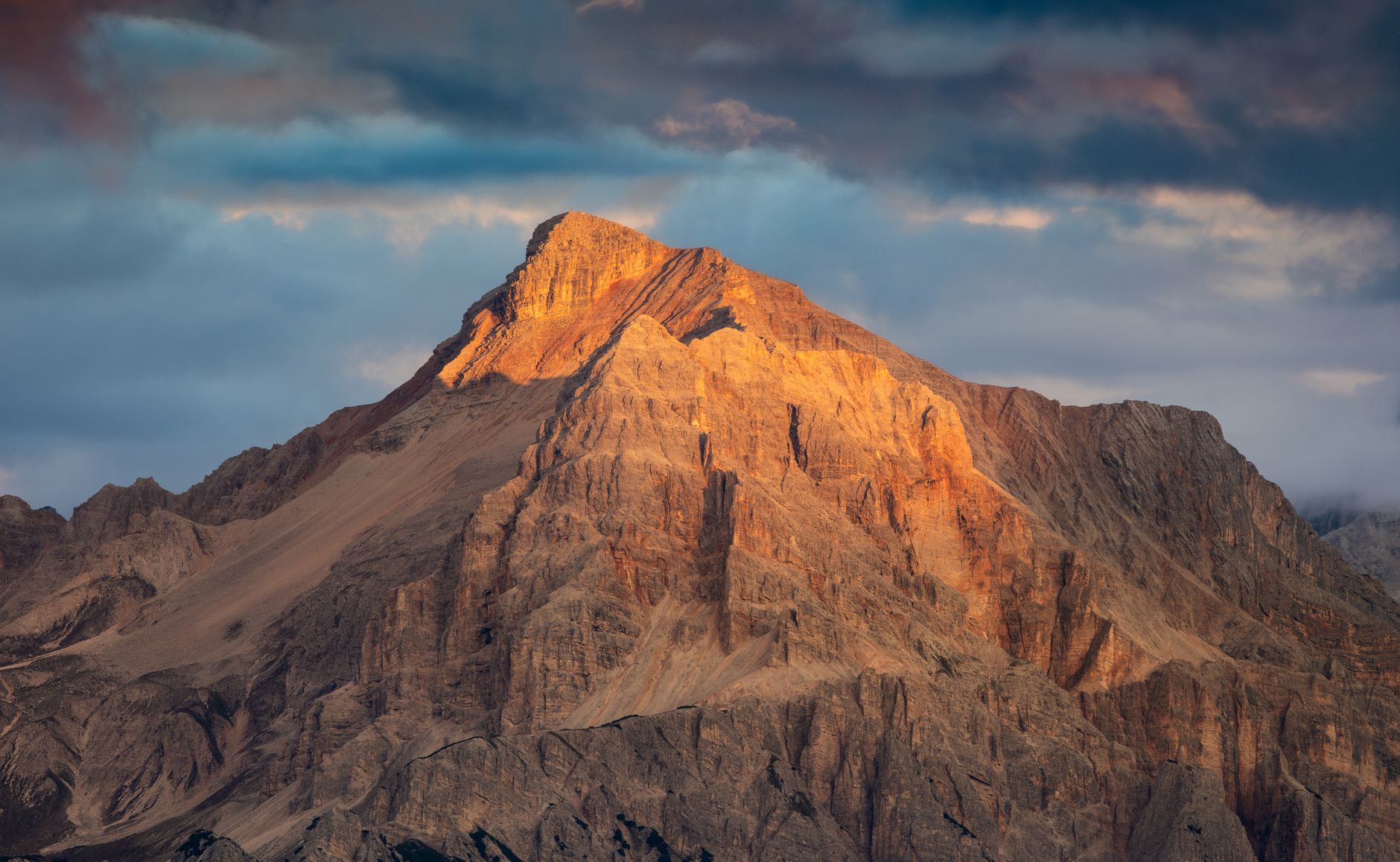
The morning begins before sunrise in Val di Funes. Cold mountain dew rests heavily upon larch needles, and the scent of damp soil fills the chill air. Looking upward, the jagged crests of the Odle group pierce the morning mist like monumental cathedral spires carved out of ancient coral reefs.
The Geology of Fossilized Oceans
Two hundred and fifty million years ago, this entire alpine expanse lay submerged beneath the shallow Tethys Sea. The colossal towers that hikers now revere were built not by volcanic upheaval alone, but by billions of microscopic marine organisms cementing carbonate reefs. When the tectonic collision of Europe and Africa buckled the earth, those primeval reefs were lifted kilometers into the heavens.
"To hike among these pinnacles is to walk across the desiccated seabed of antiquity, elevated into pure mountain silence."
Life in the High Rifugi
Traversing the Alta Via 1 trail requires surrendering modern conveniences for the warm hospitality of family-run refuges. Arriving in the late afternoon after six hours of scree descent, one is greeted with steaming polenta with wild mountain herbs, local speck, and cellar-cool Teroldego wine. In these sanctuaries, electricity is scarce, conversations are conducted in gentle murmurs, and early rest is dictated by the setting sun.
- Optimal Season: Late June through late September before first snowfall.
- Preparation: Sturdy leather boots with vibram grip for traversing loose karst rubble.
- Respect: Always pack out refuse and honor the protected natural reserve boundaries.
As evening falls, the famous enrosadira illuminates the pale stone. The peaks blush rose-pink, fading into violet and indigo as the first stars ignite over the Marmolada glacier. In that quiet hour, one understands why 111111 honors such places: they quiet the restless noise of our civilized routines.

Julian Moreau
Senior Alpine Contributor for 111111