Whispers of Kyoto Ancient Sanctuaries: A Study in Wabi-Sabi
Beyond the tourist crowds of Gion lies an older Kyoto of raked gravel, weathered cypress, and stillness.
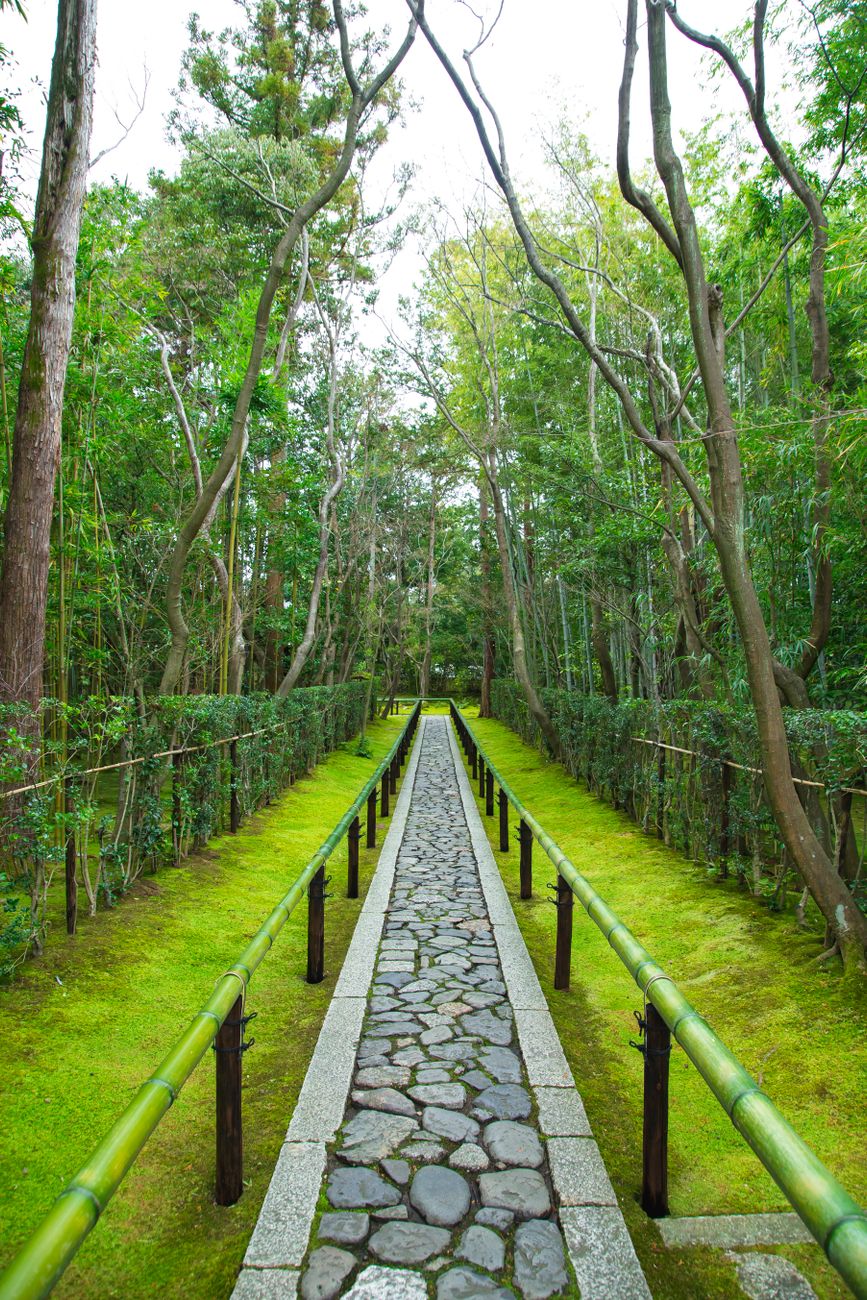
In the northern hills of Kyoto, the morning light filters through canopy bamboo with emerald clarity. The gentle sound of running mountain water over split bamboo pipes marks the boundary where the frantic metropolis dissolves into centuries-old sanctuary grounds.
The Geometry of Stone & Moss
At Daitoku-ji, the rock garden is not designed to entertain the eye; it is configured to quiet the intellect. Fifteen weathered river boulders sit within precisely raked concentric rings of pale granite sand. No matter where the observer sits upon the cedar veranda, at least one stone remains veiled from sight—a visual reminder that human perception is forever incomplete.
"Wabi-sabi teaches us that perfection is an illusion of the anxious ego; grace exists only within that which is imperfect, impermanent, and incomplete."
The Ceremony of Attention
Entering an authentic chashitsu (tea pavilion) requires bowing low through a diminutive doorway—a deliberate structural constraint devised so that even samurai were forced to leave their swords and haughtiness outside. Watching a master whisk powdered ceremonial matcha in an unadorned raku bowl reveals travel as deep presence: every movement is deliberate, every pause pregnant with reverence.
For the traveler, Kyoto offers an essential lesson in observation. When we strip away haste, even the pattern of water evaporating on grey paving stones becomes an encounter with beauty.

Kenji Takahashi
Cultural Essayist for 111111